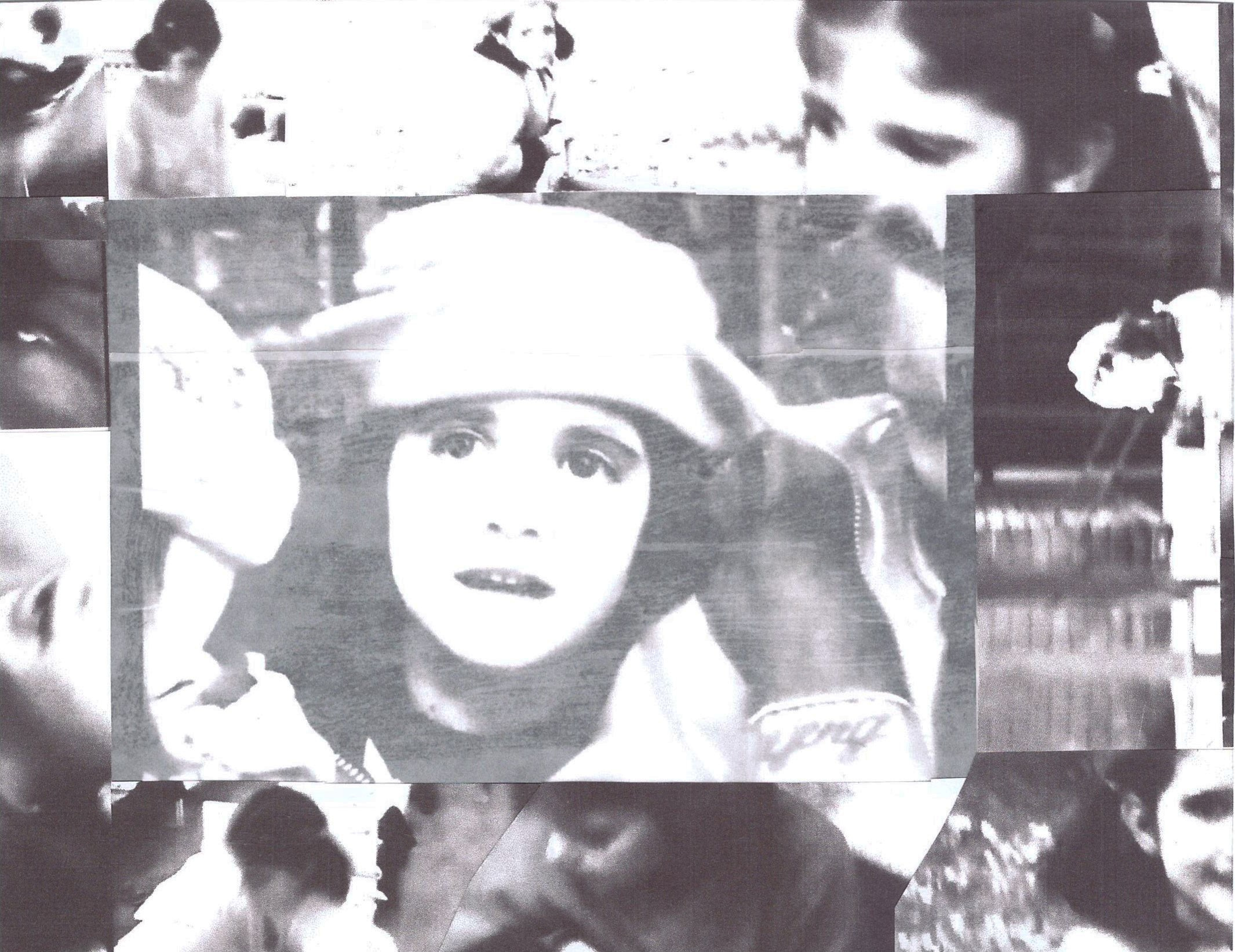
“Will be running someone but not me”
The project is presented in the form of a book and includes archival documents, photographs, linocuts, collages and written notes. This story is about autobiographical memory, about the authenticity and illusion of childhood memories, about the identity of the inner self hidden and scattered in different years of one person’s life.
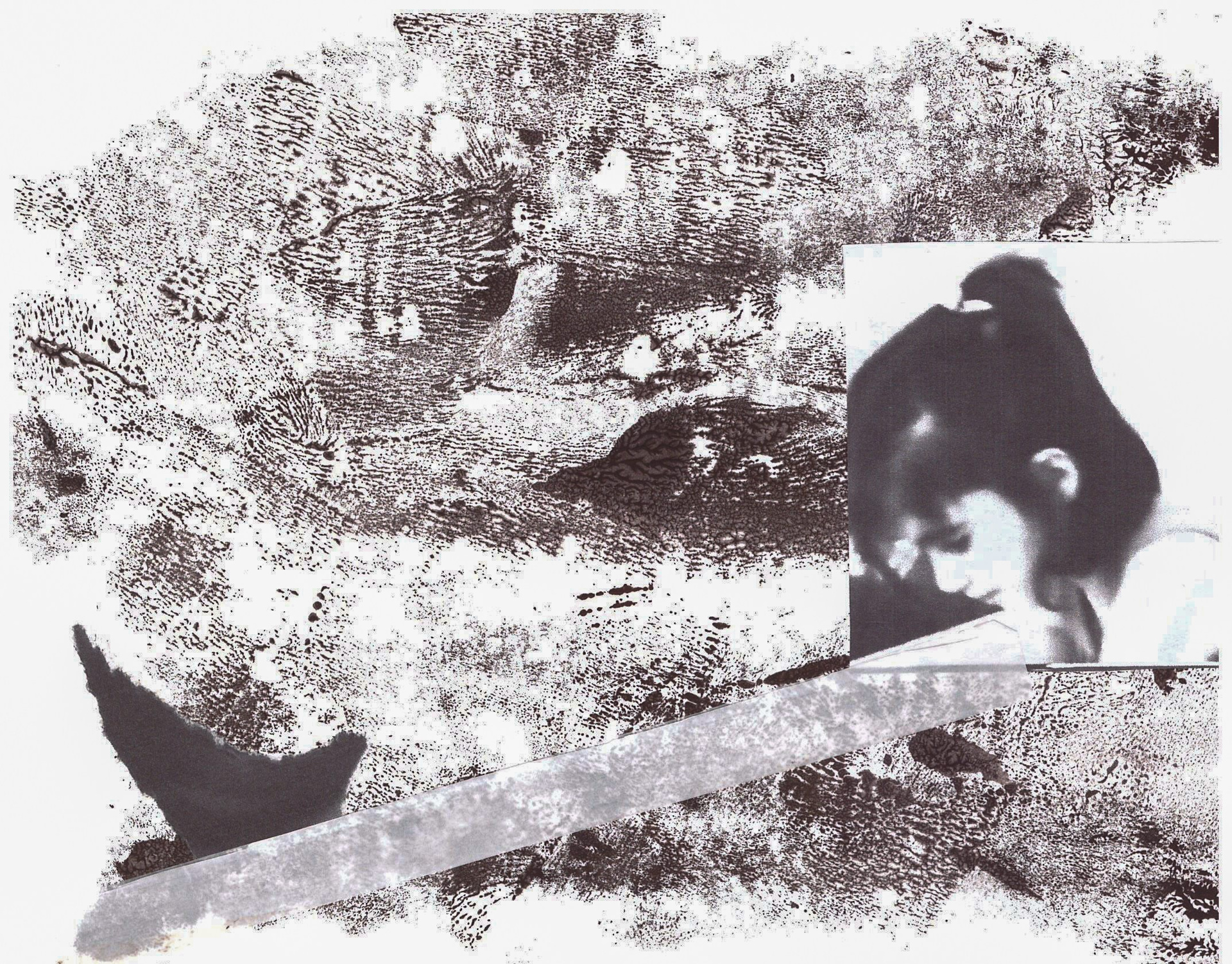
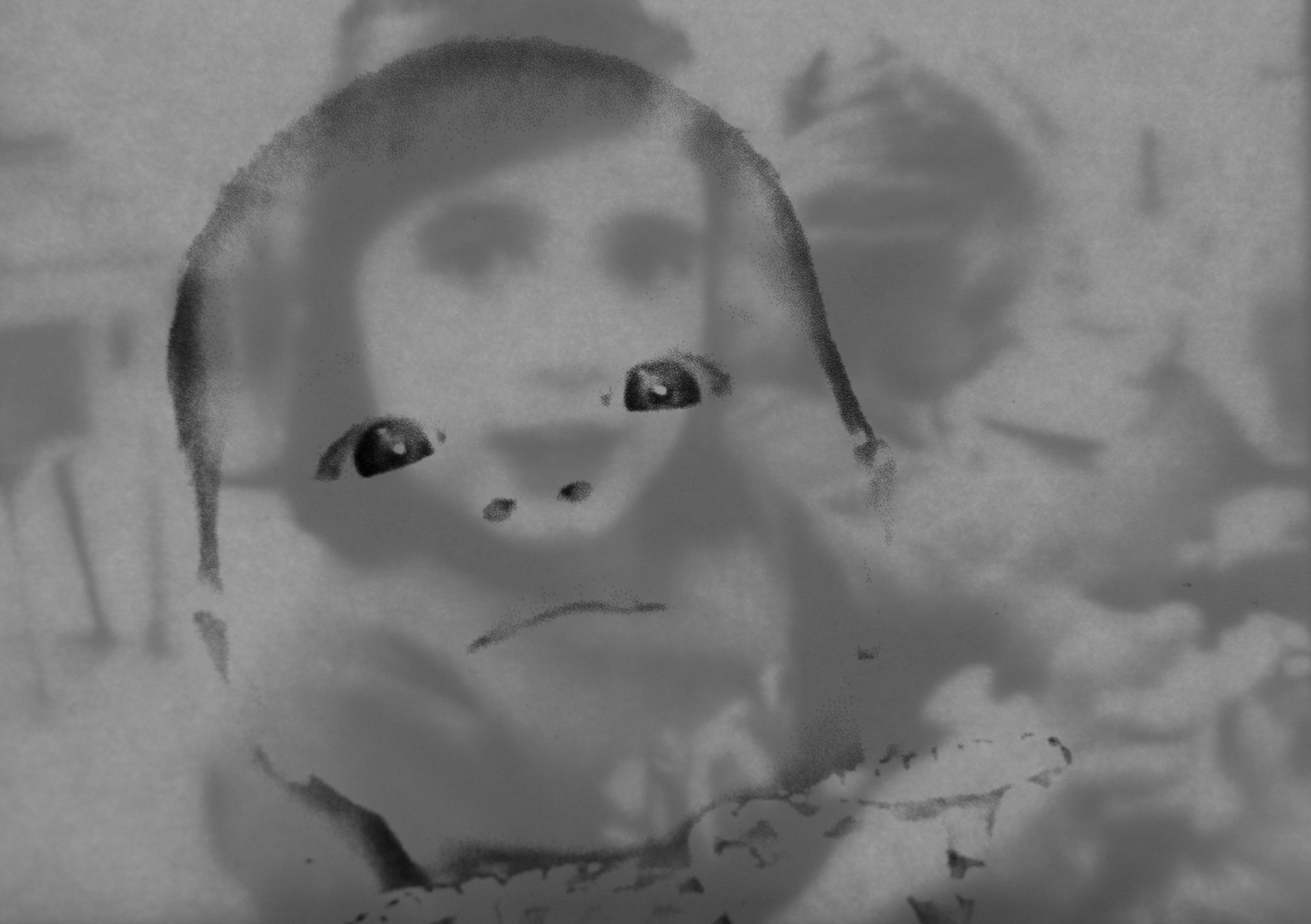
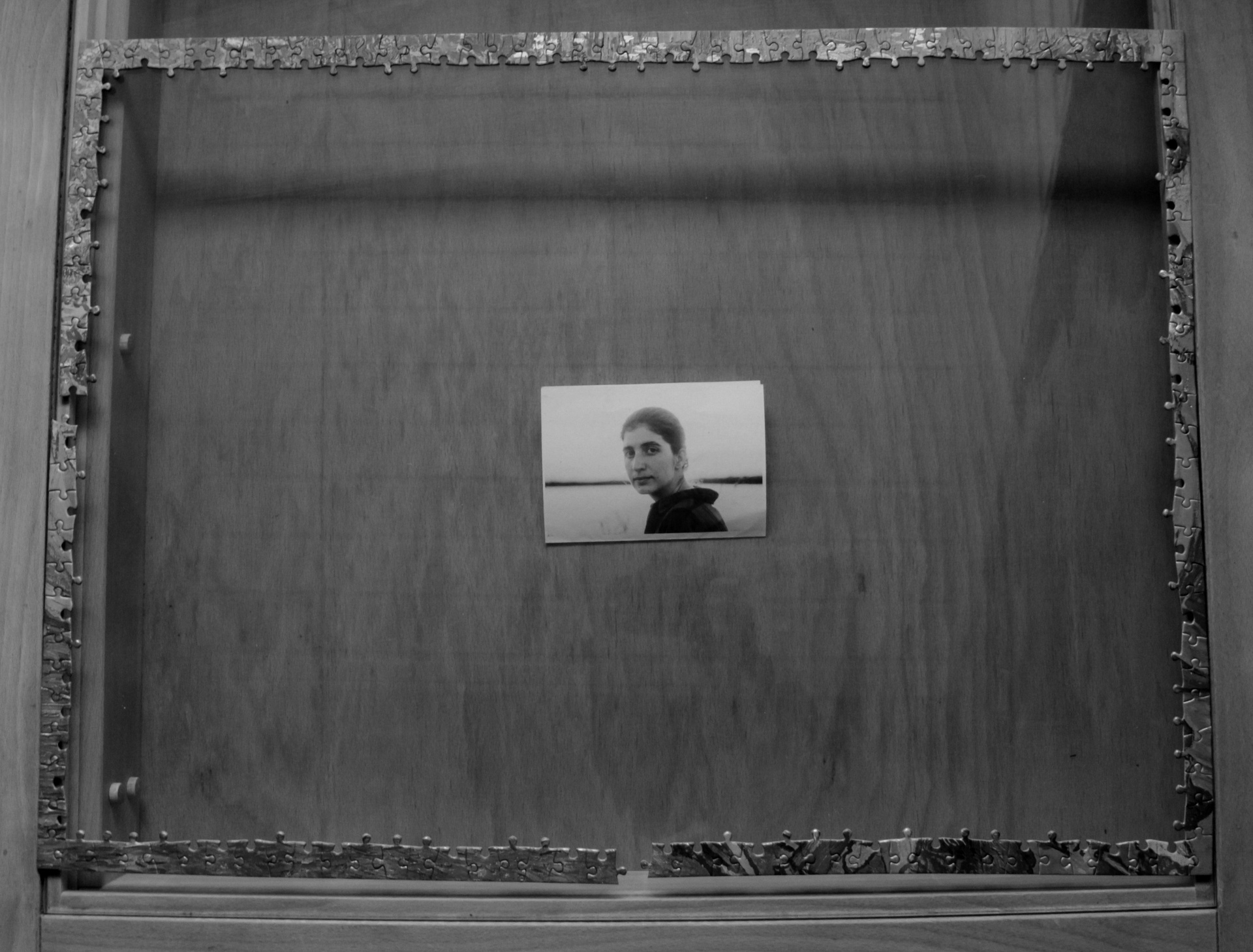
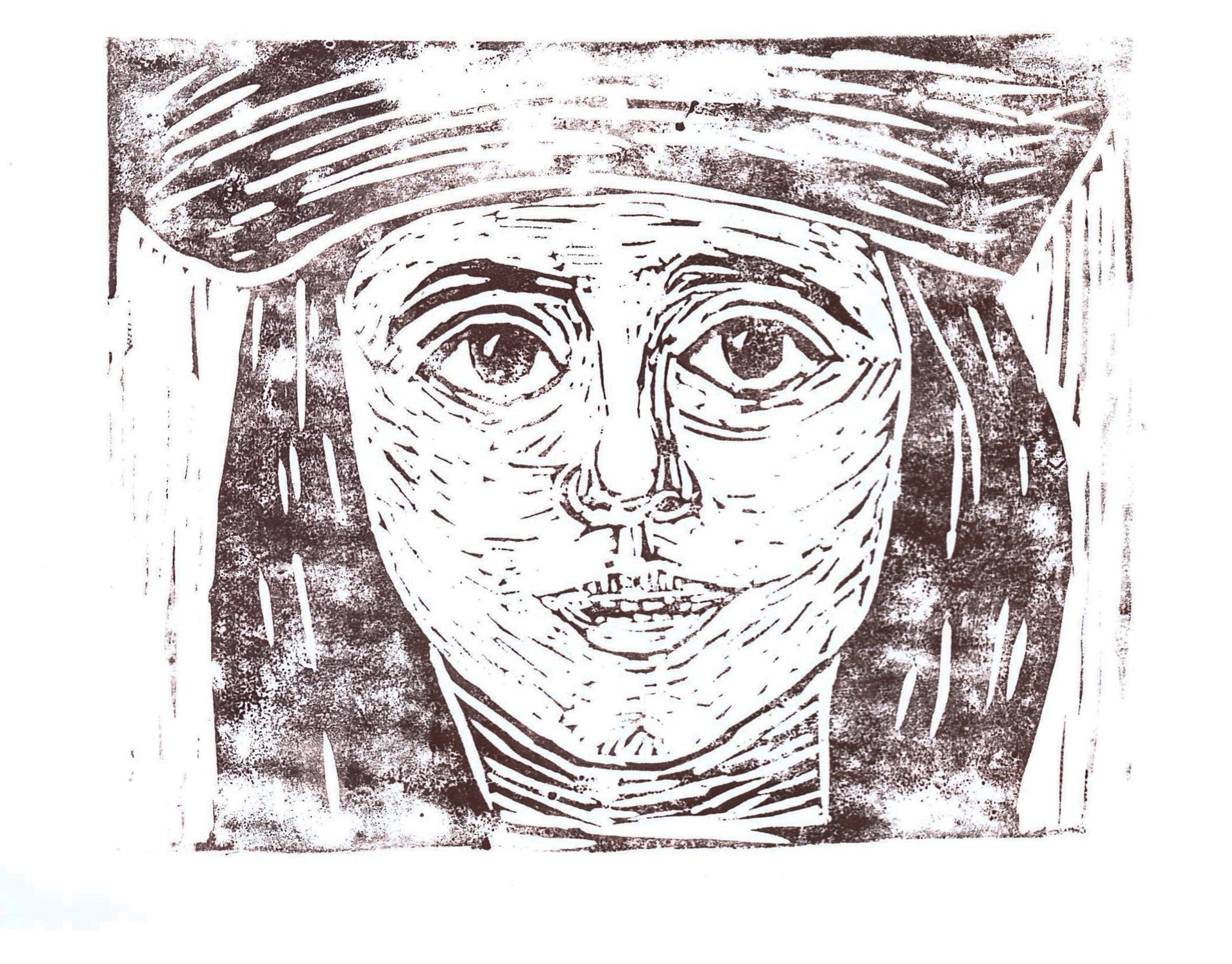
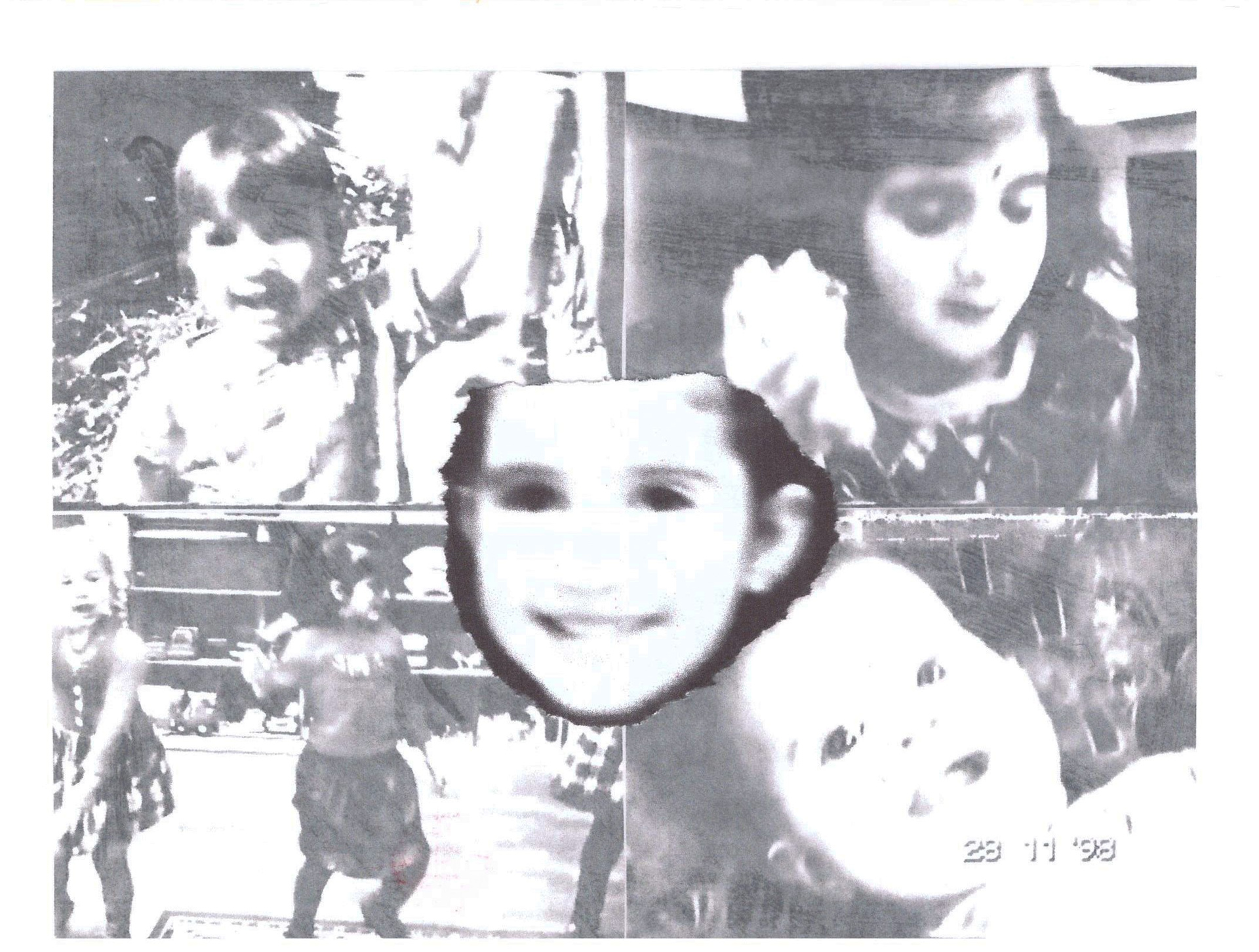
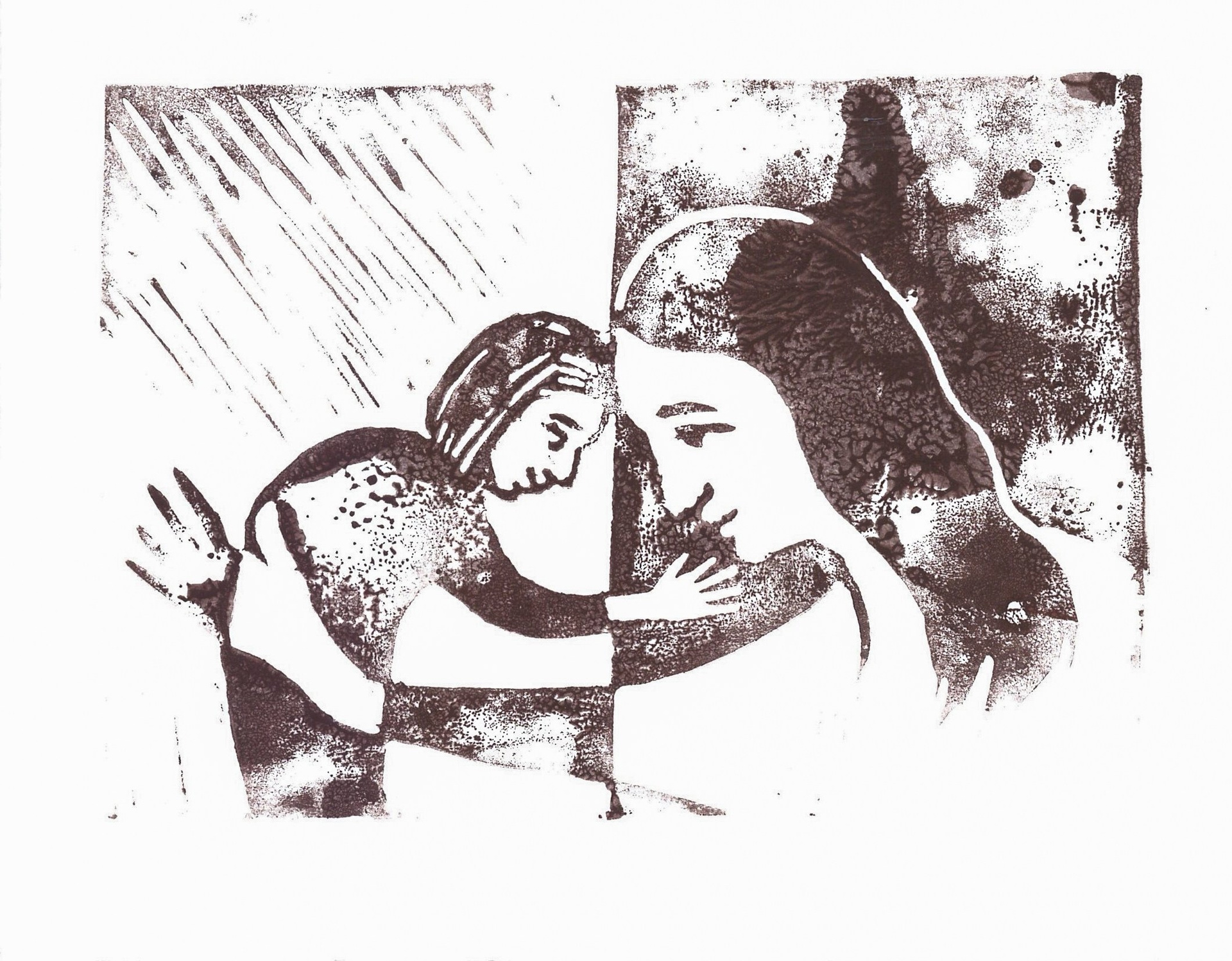
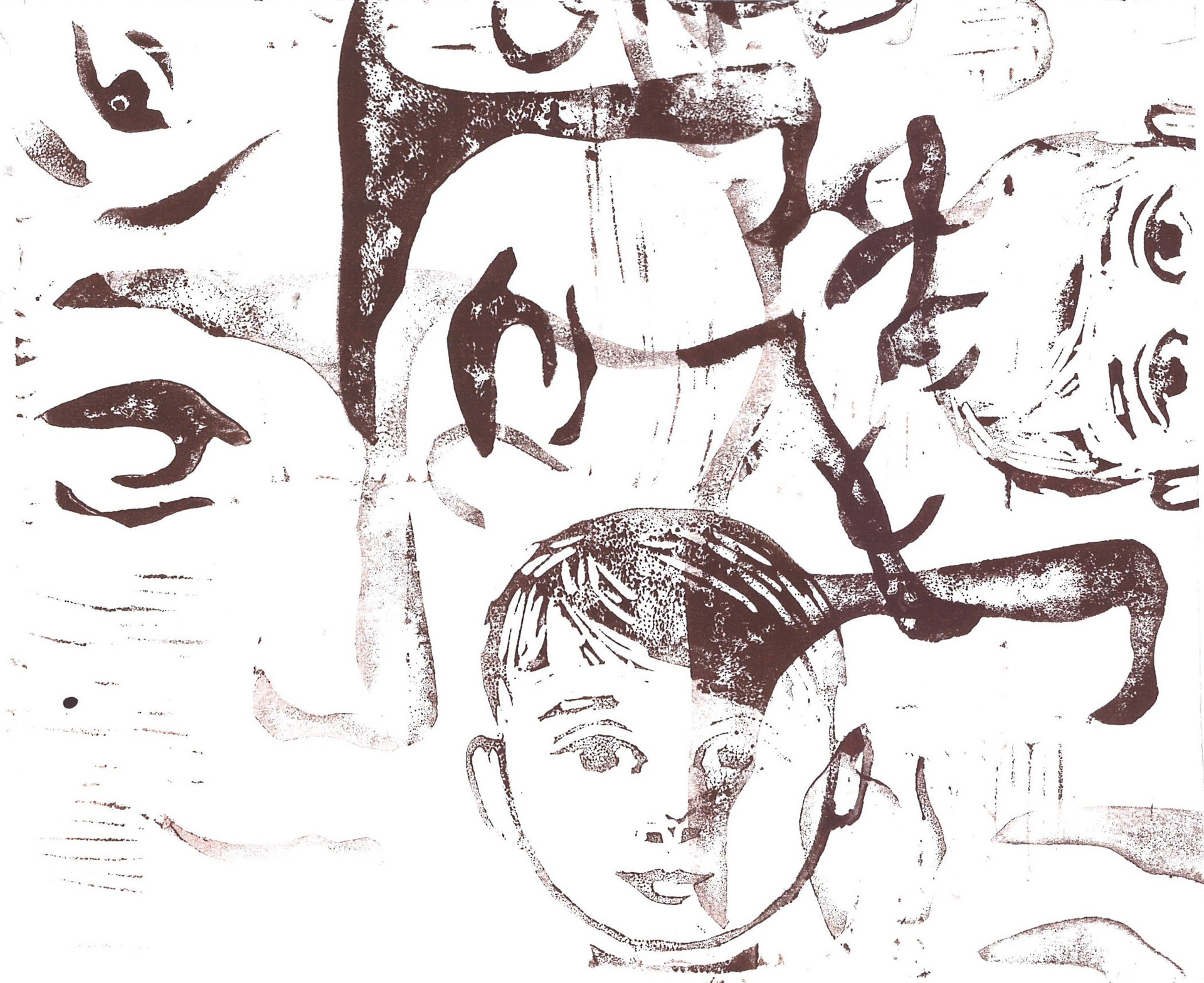
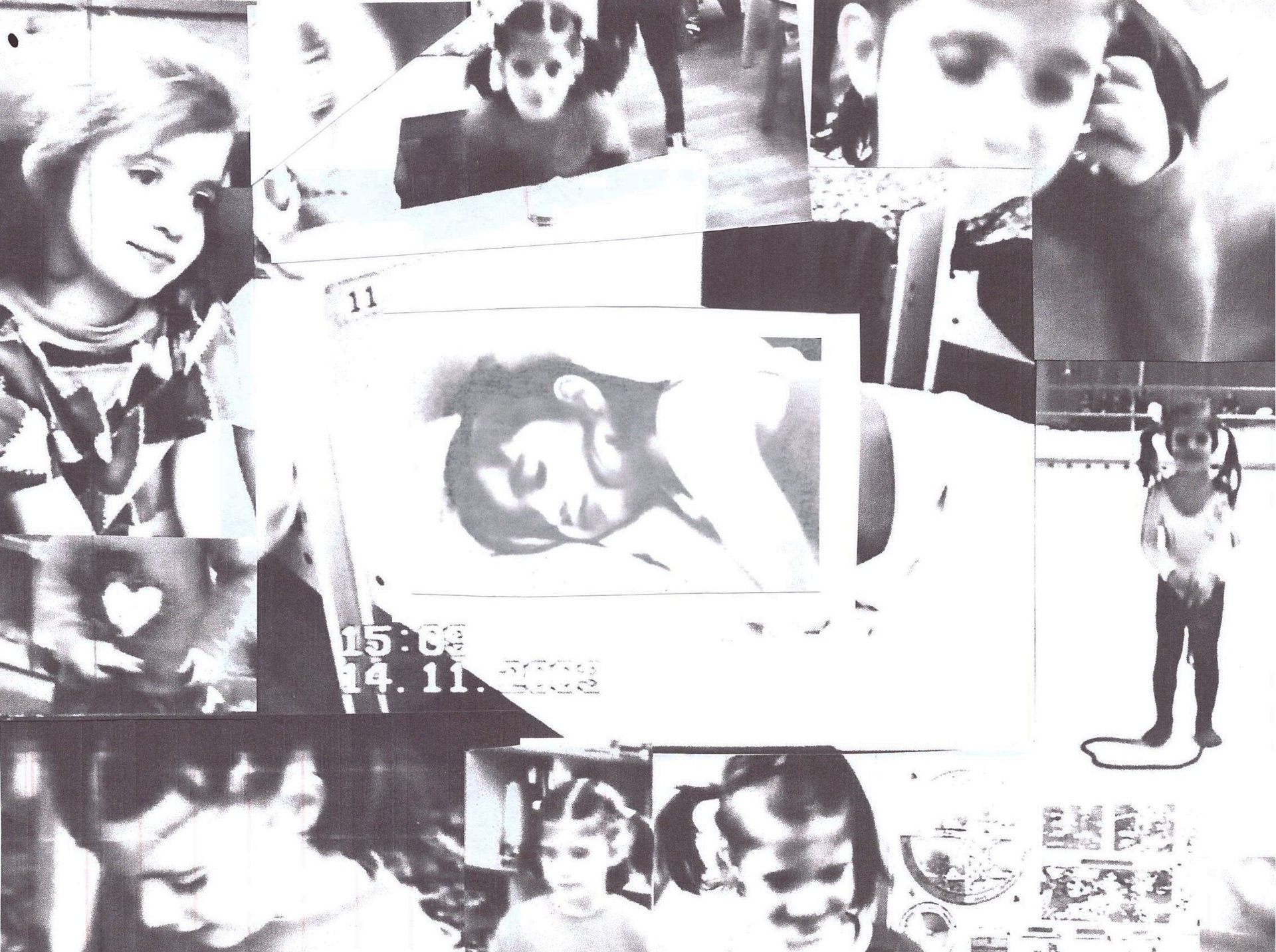
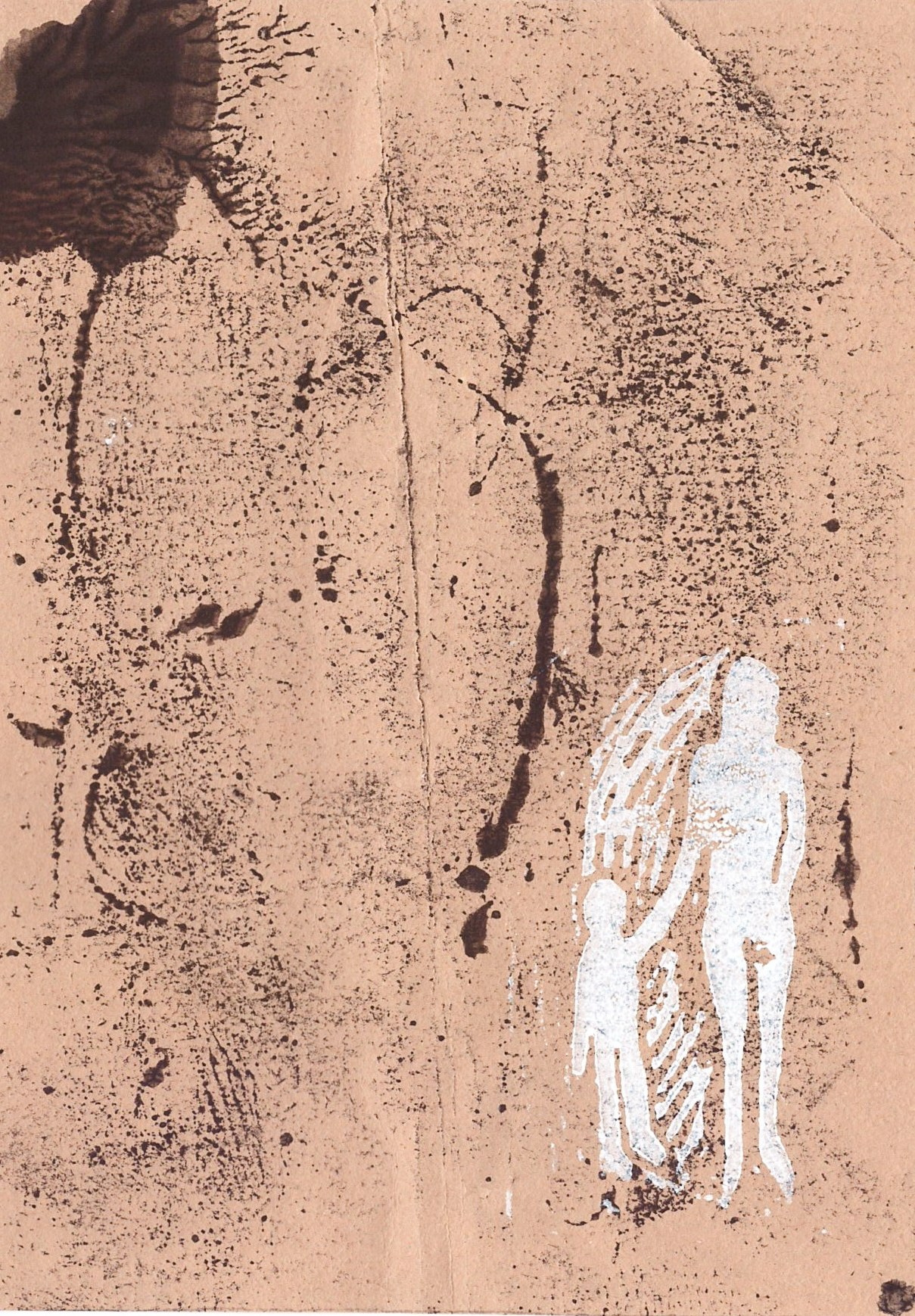
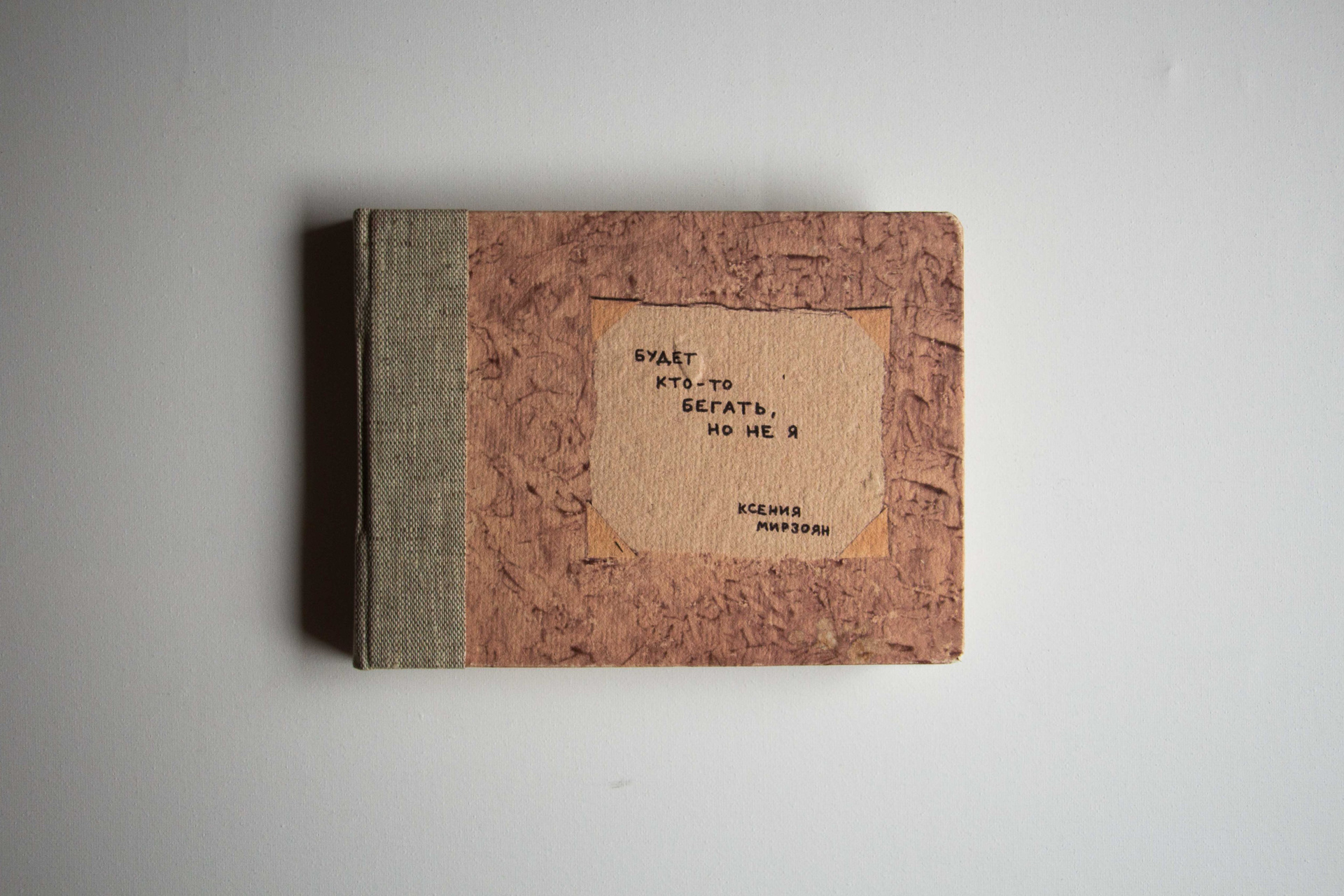
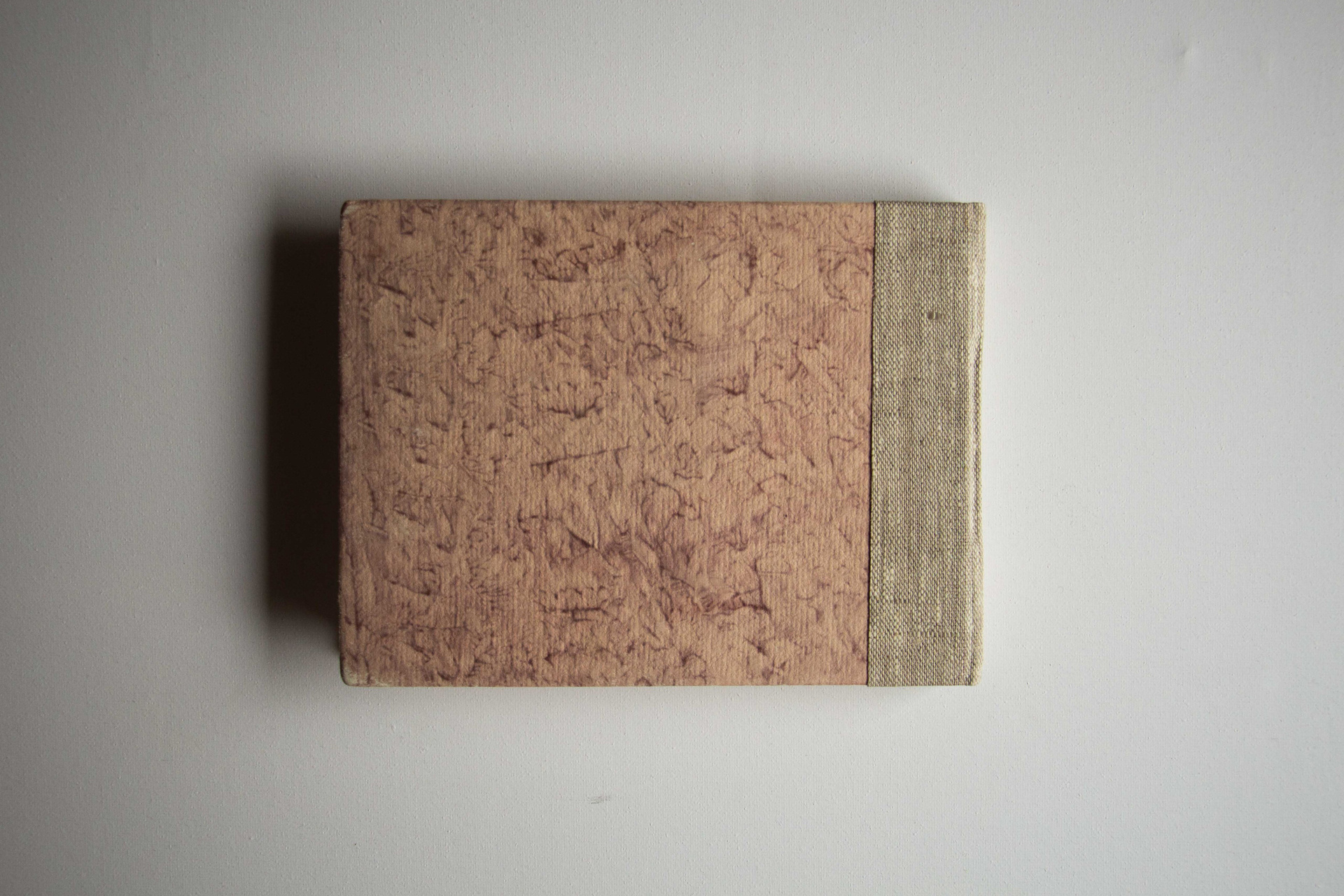
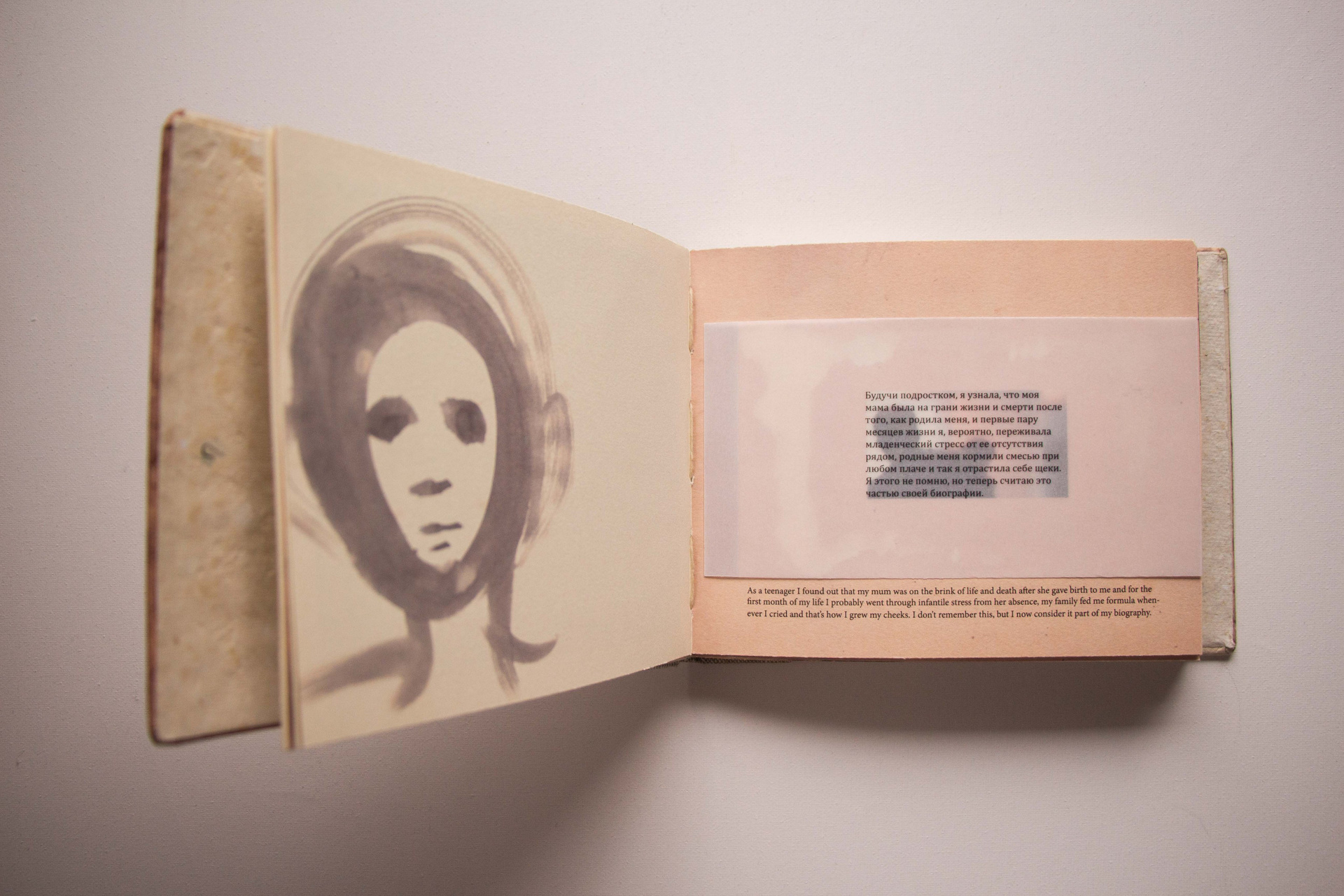
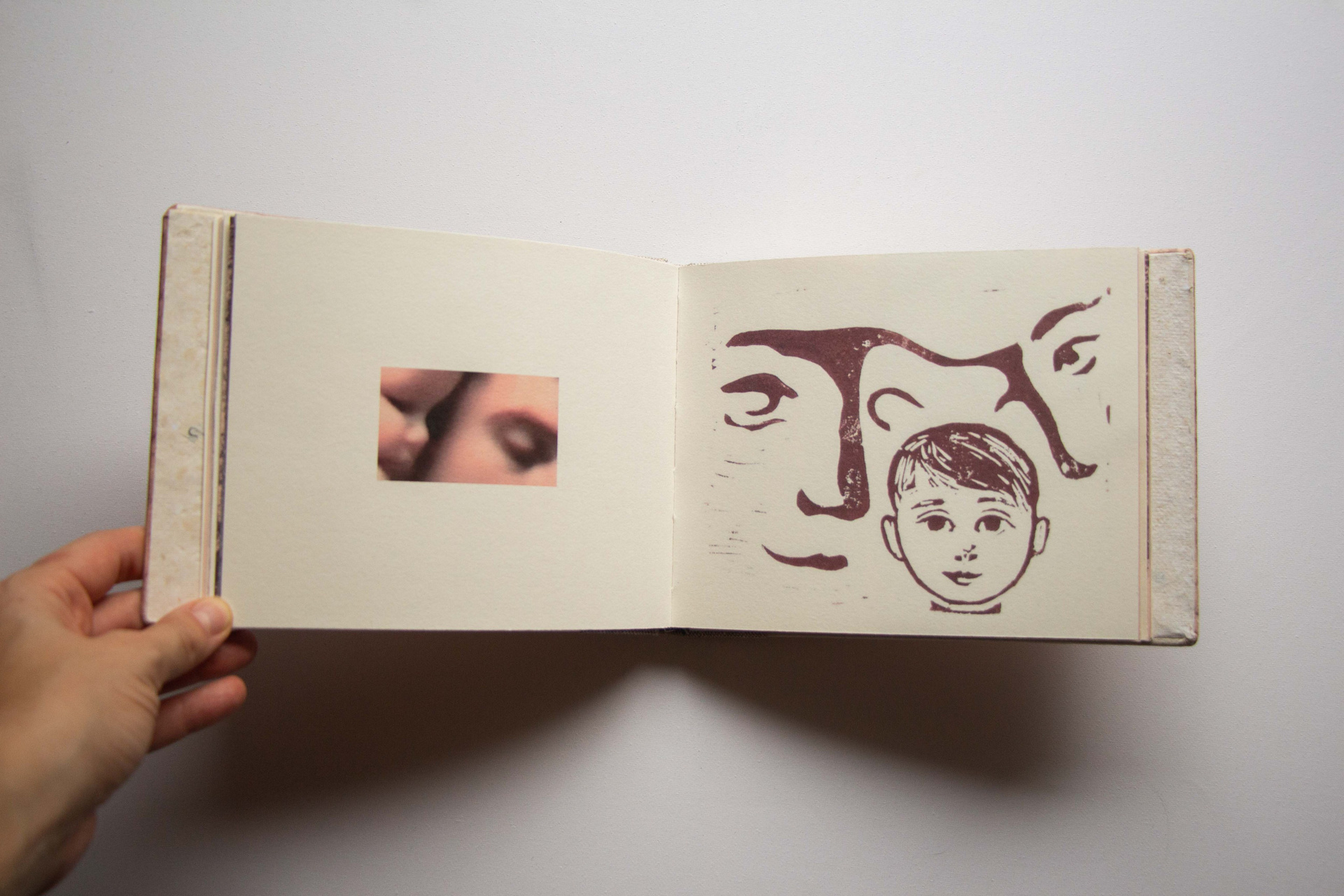
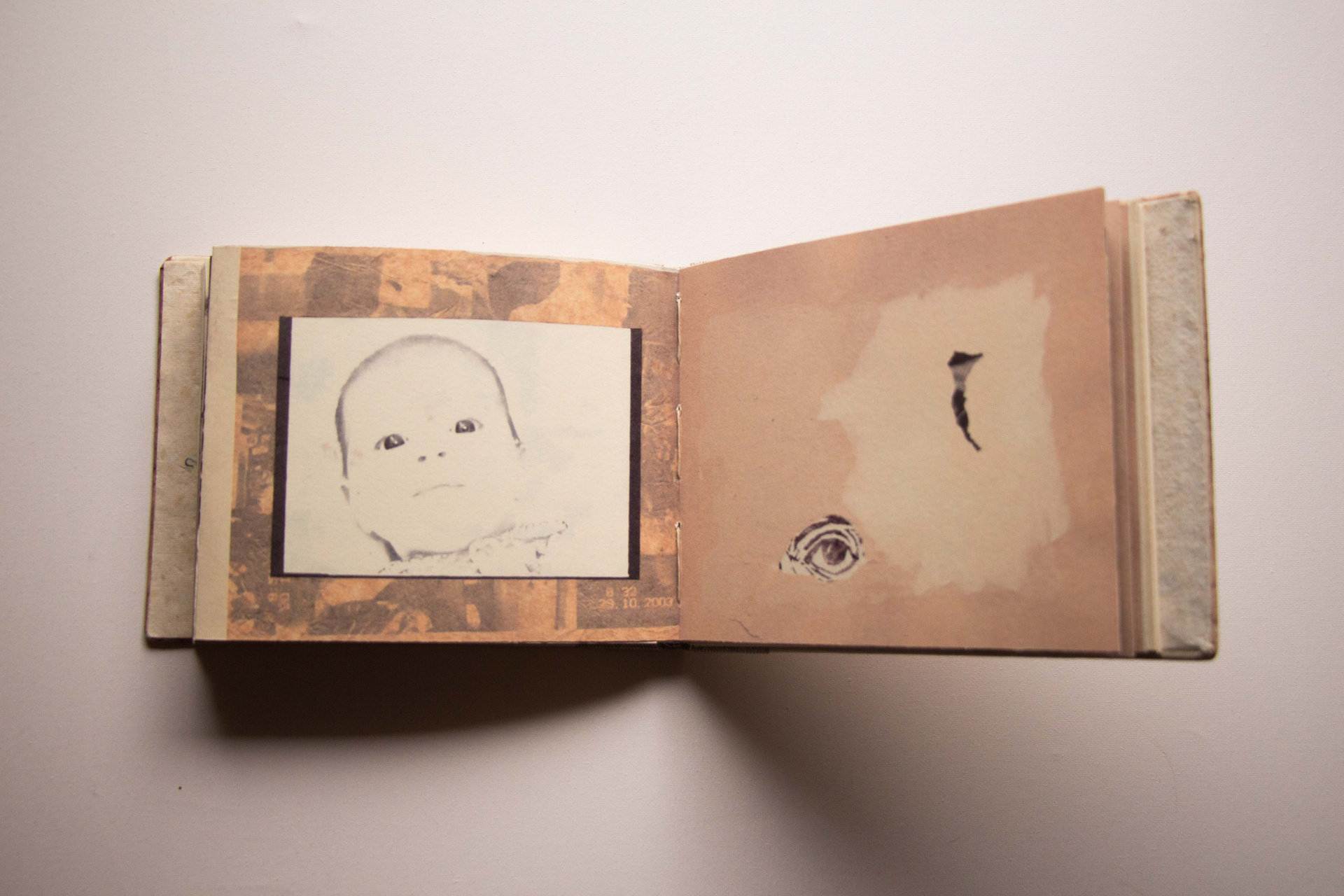
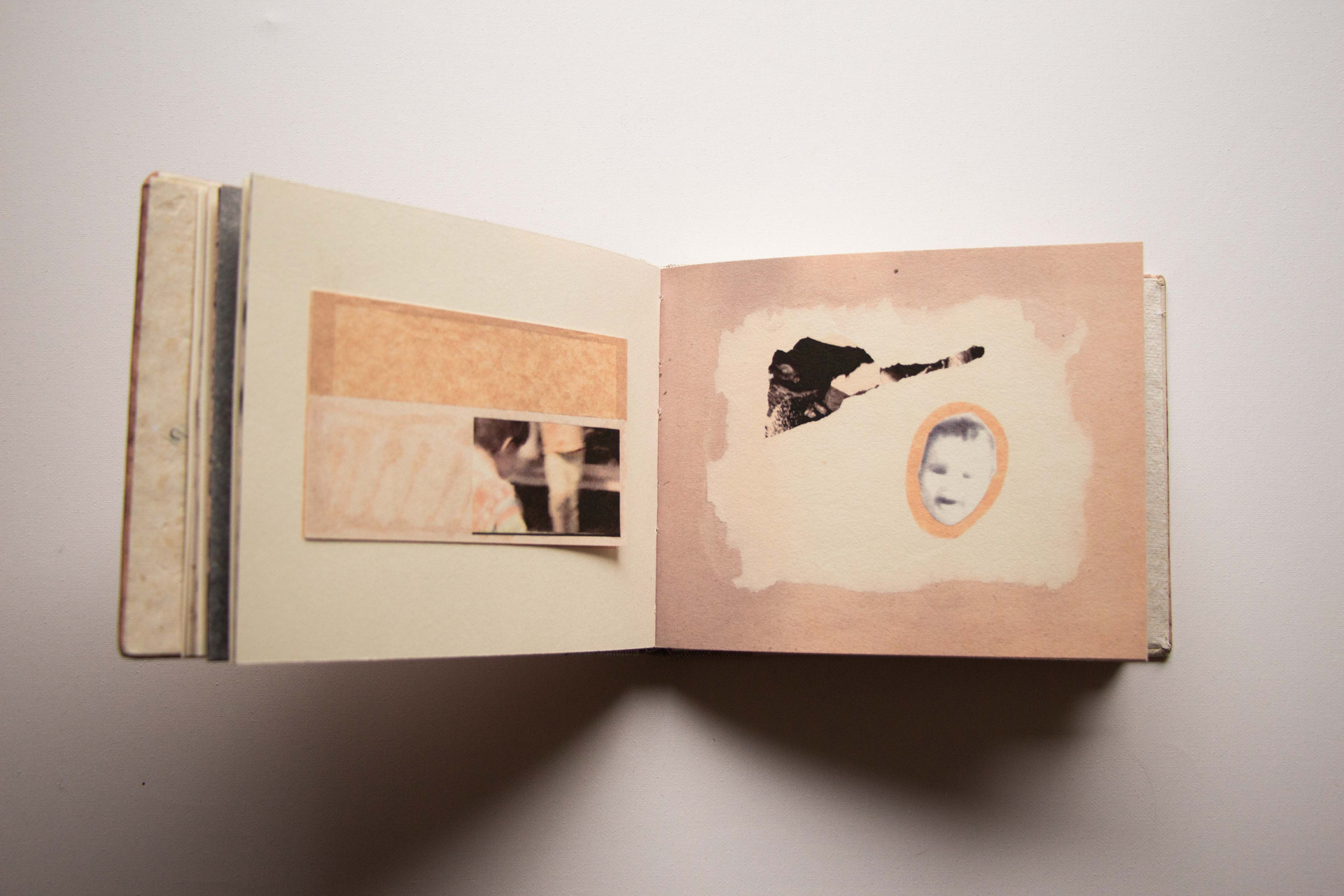
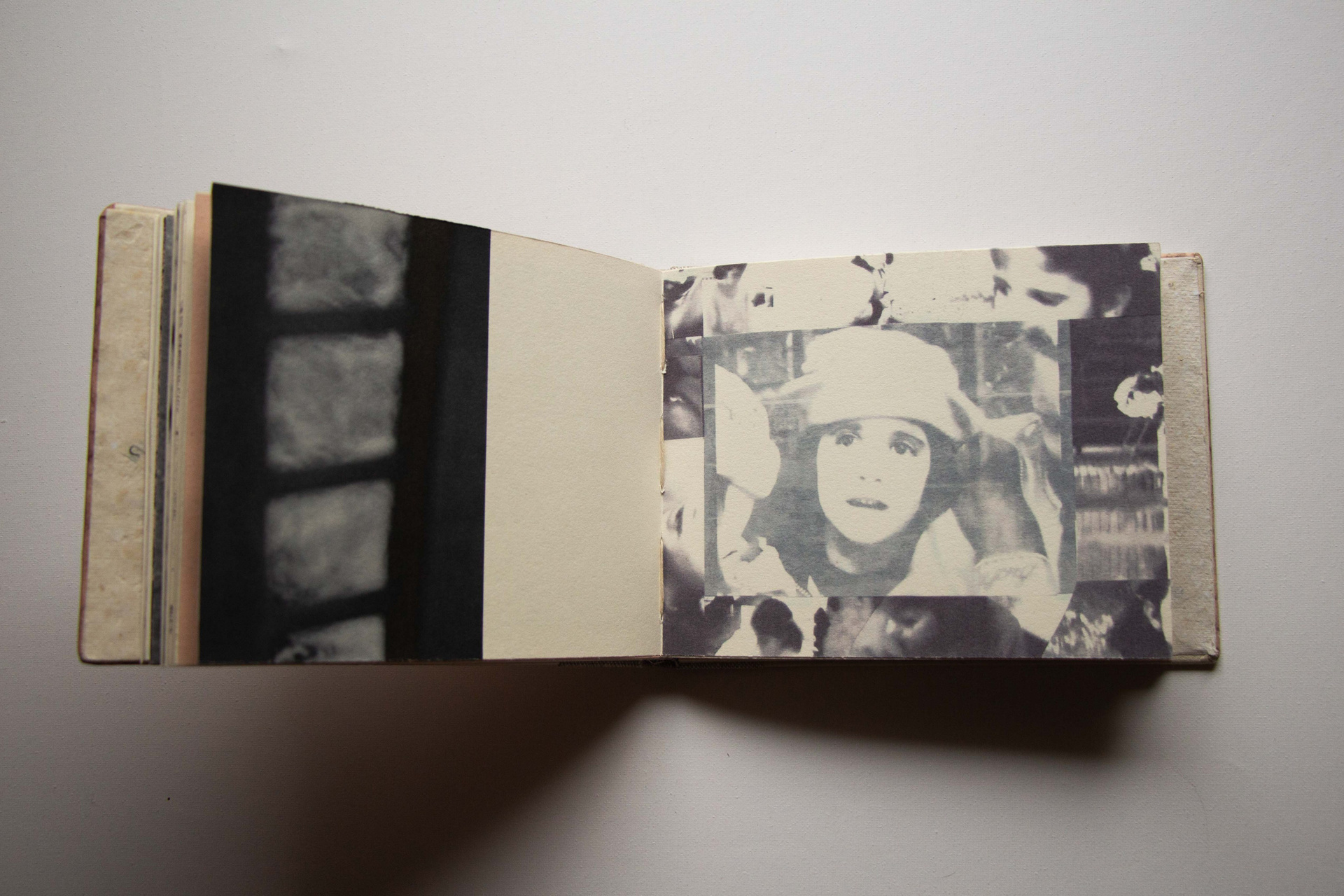
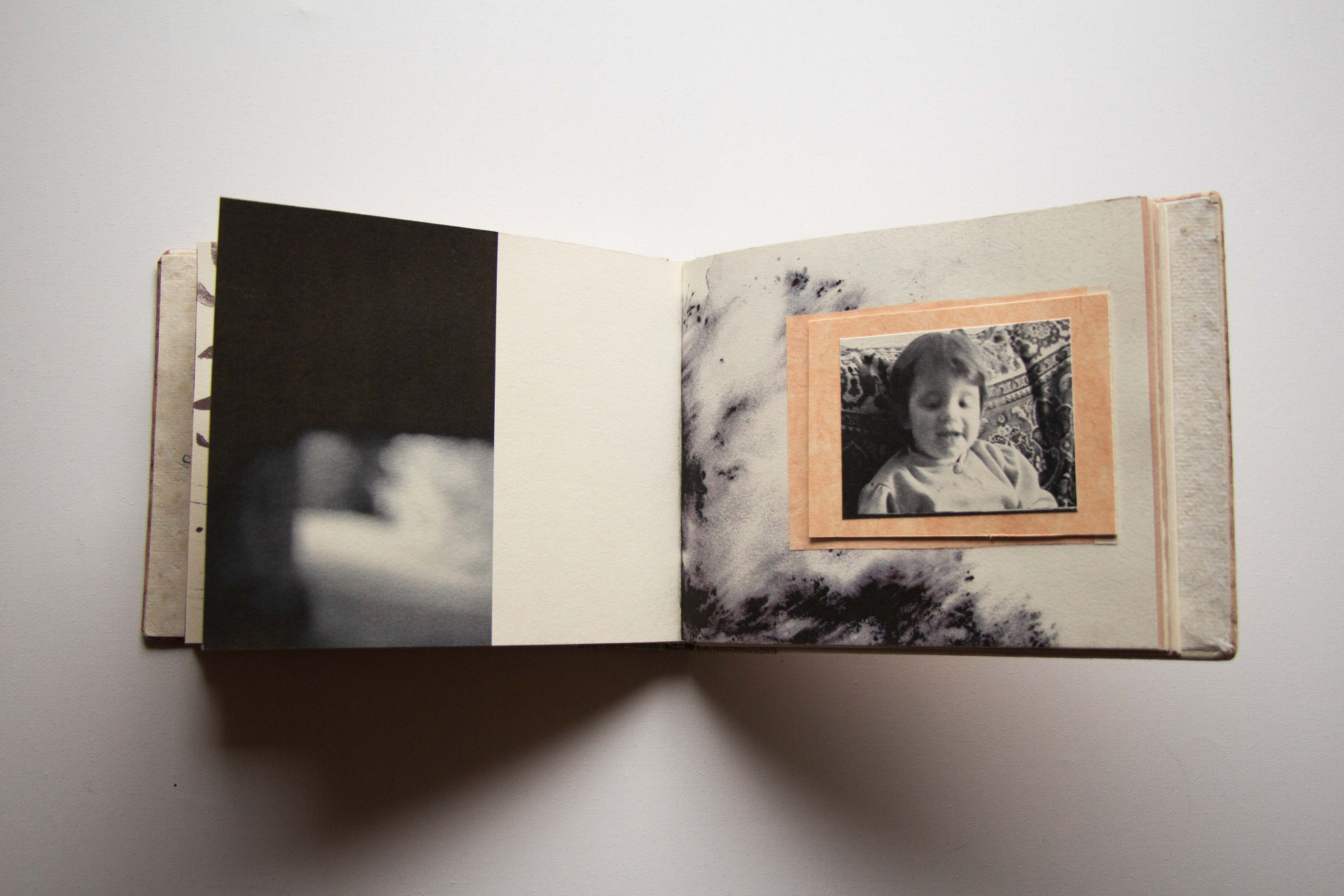
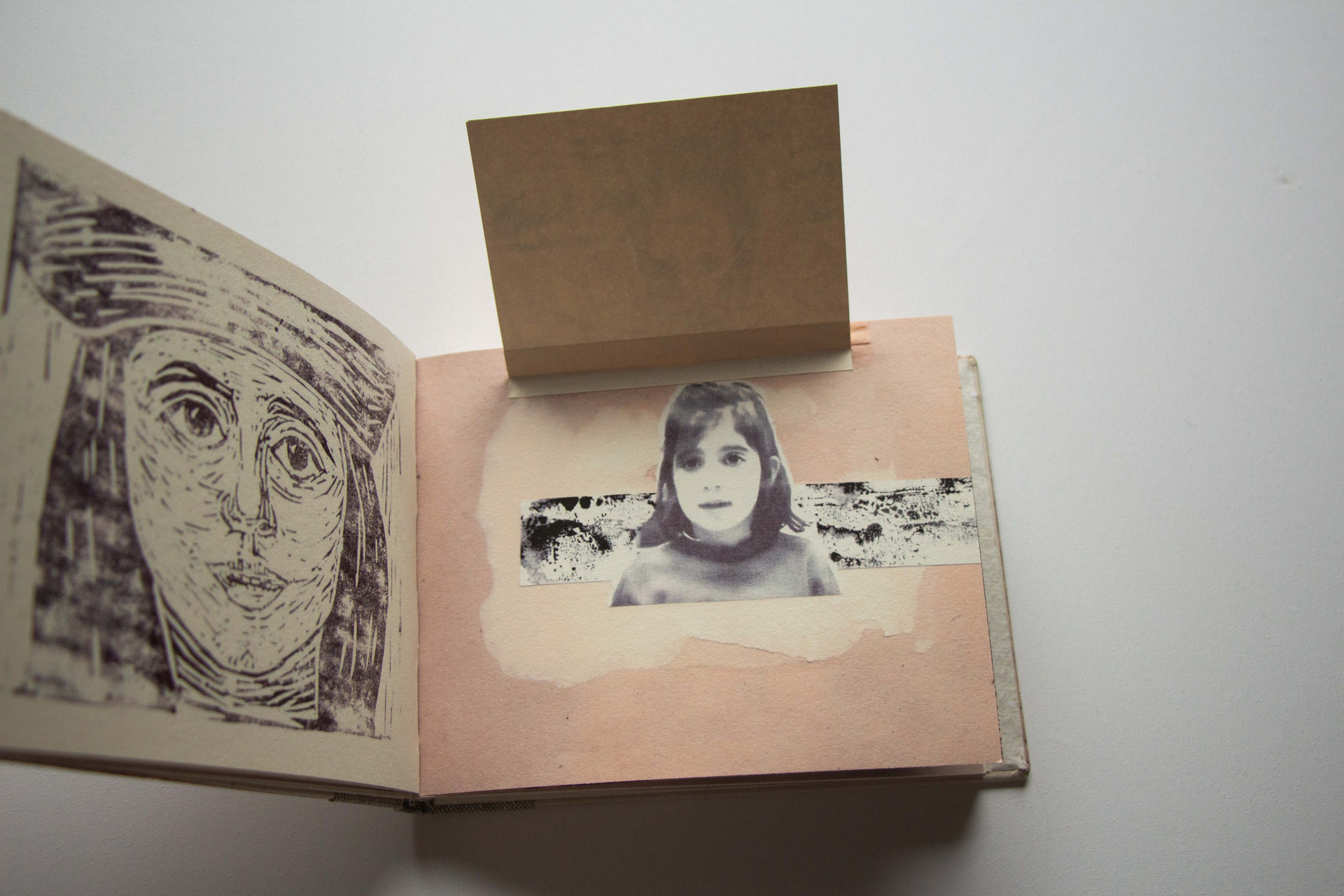
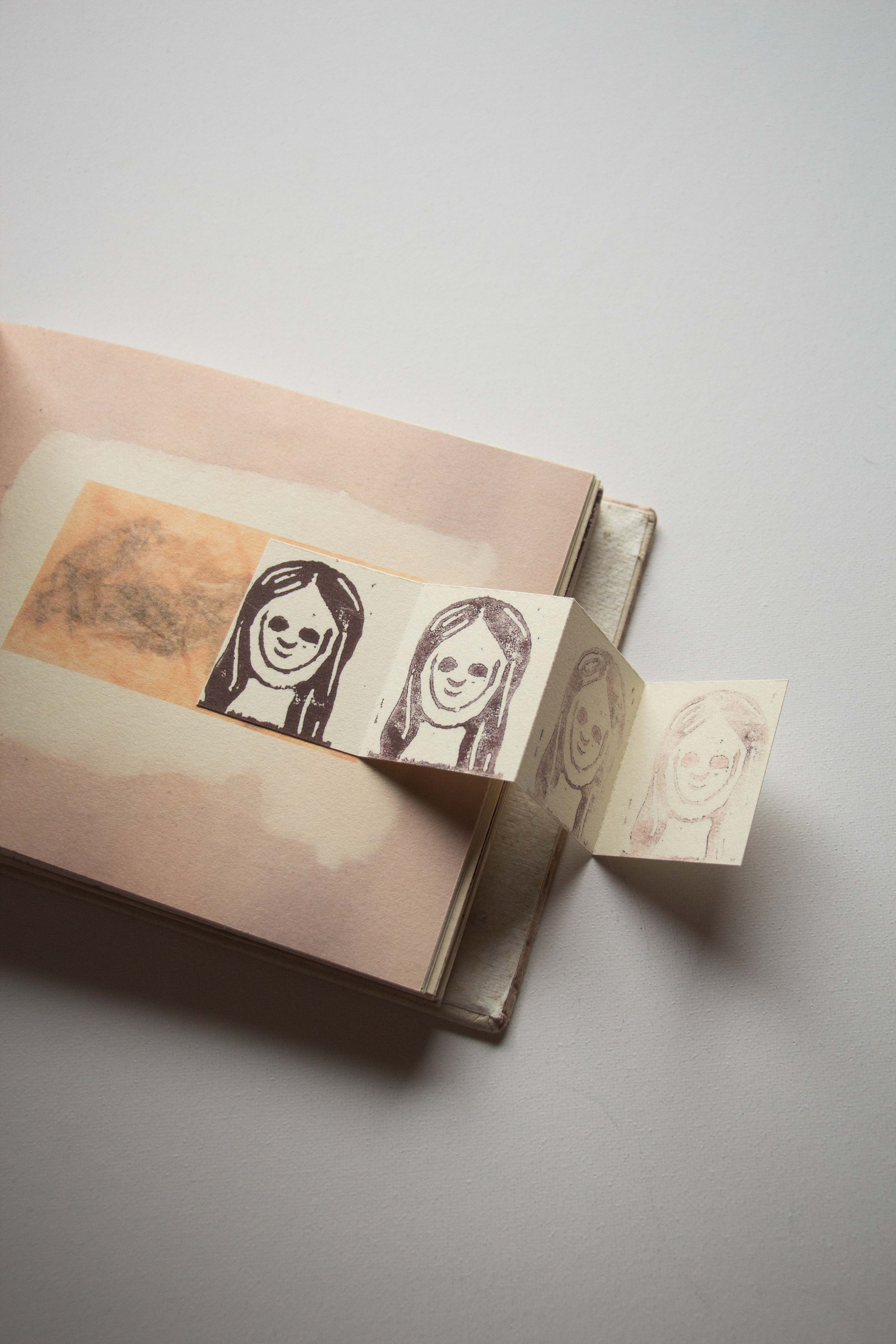
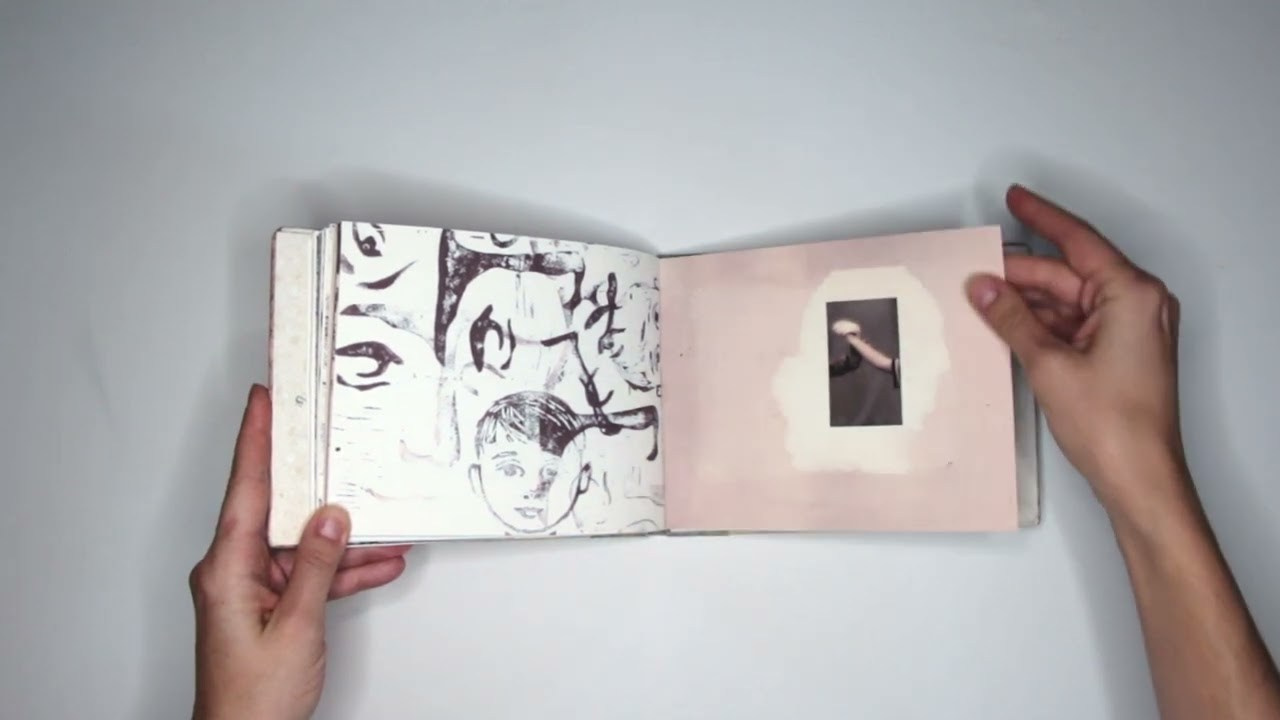
I don’t truly remember myself until about the age of 15. My childhood memories are largely an interweaving of stories from the family epic about me and impressions from archival documents (photographs and video chronicles). Over the years of my conscious reflection, I realized that I had largely appropriated these experiences from the outside and tried to experience them as an internal memory of myself or events in my life.
Not so long ago I learnt about such a psychological concept as “autobiographical memory”, which, according to Veronika Nurkova, arises in a child in European cultures around 3-4 years of age and helps the individual to remember their life story in order to remain themselves from day to day.
I found it interesting that we learn to remember our lives based on what our parents ask us about, what is important to them, what they are interested in regarding the child’s life. And at the same time, as we grow up and keep our biography inside, we recall from our childhood exactly those facts or qualities that resonate and fit with our ideas of ourselves today.
Researchers believe that the autobiographical memory inherent in the human personality is necessary for it to plan for the future: if I remember myself, what happened to me in the past, then on the basis of this I can imagine, decide and choose what will happen to me in the future, what I want to achieve. In the context of these reflections, I suddenly saw that my memory lapse (or rather my distrust of those rare memories of myself from my childhood that have formed in my memory) puzzles me and provokes doubts, perhaps even explains my strange attitude towards the future: I often think that this day may be my last, and the distant future frustrates me and causes me an abyss of uncertainty.
I was also affected by the suggestion that information (i.e. a memory) stored in long-term memory may not disappear from it altogether, but that access to it is lost, making it impossible to retrieve that memory. On the basis of these reflections, I revisited video footage from my childhood: a home chronicle filmed by my father and a kindergarten routine filmed by a kindergarten teacher.
I look at me, and I have to convince myself of this, because it strikes me that this individual free child is me: that it is my body, my face, that it is an independent and unique phase of the formation of my personality, somehow detached from the me I think I am. The me of today is an invisible and unborn participant in the events recorded on video camera by the close adults who witnessed my growing up, the keepers of these memories.
However, I don’t truly remember anything about myself at that time, or have no access to that memory. I look at my past self today and wonder: there are so many things I don’t like about this child’s behavior, and some things make me laugh and think. I listen to my speech, see my views, peek at the games I was interested in, and cannot fully perceive that it is also me who is writing this text now.
It seems that I was not as cute a child as I imagined and knew from the words of my family, not at all perfect in my current view, and apparently so much has changed in me since then that I find it hard to recognise myself in this girl in the video. I guess I’m trying to look in such a way that I want to recognise myself, to find what is in me now. I want to remember, keep and cherish this inexpressible and hidden experience of childhood, hidden in my memory, in order to live my life further and to be myself now.


